When facing DUI charges, most defendants rely on standard legal defenses: challenging breathalyzer accuracy, questioning the traffic stop’s legality, or disputing field sobriety test results.
But some cases have featured defenses so unusual, so unexpected, that they’ve made legal history, and in some cases, headlines. Some of these bizarre DUI defense strategies showcase creative legal thinking, and I appreciate it when lawyers think outside the box.
Cases like these also provide insight into how the law handles impairment, consent, and criminal responsibility.
I would wager any experienced DUI defense lawyer has heard some excuses/defenses/explanations for drunk driving arrests that seem stranger than fiction.
I can certainly attest that in my time as a DUI defense attorney in Colorado Springs, I have seen my fair share of interesting cases. I’ve also effectively used some pretty unique defense strategies at trial. Today’s article will cover some of the more unconventional DUI defense strategies that have actually been argued in courtrooms.
Top 10 Weird DUI Defenses
- The Auto-Brewery Syndrome Defense: “My Body Makes Its Own Alcohol”
- The “It Sucks to Be Pretty” Defense: Stopped for being Hot.
- The Rising Blood Alcohol Defense: “I Got Drunker After I Stopped Driving”
- The Fever Defense: “High Body Temperature Inflated My Breathalyzer Results”
- The Sleepwalking/Ambien Defense: “I Was Unconscious”
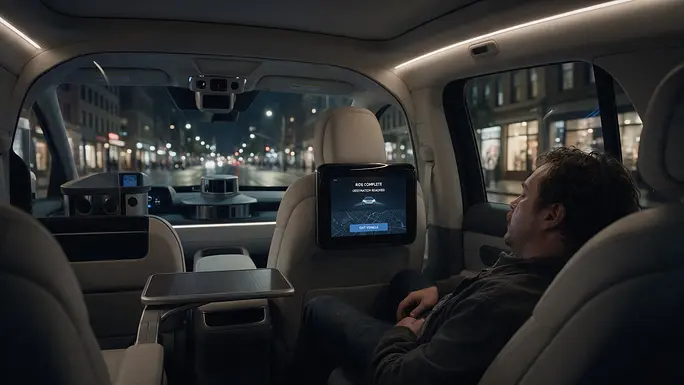
- The Tesla Autopilot Defense: “The Car Was Driving Itself”
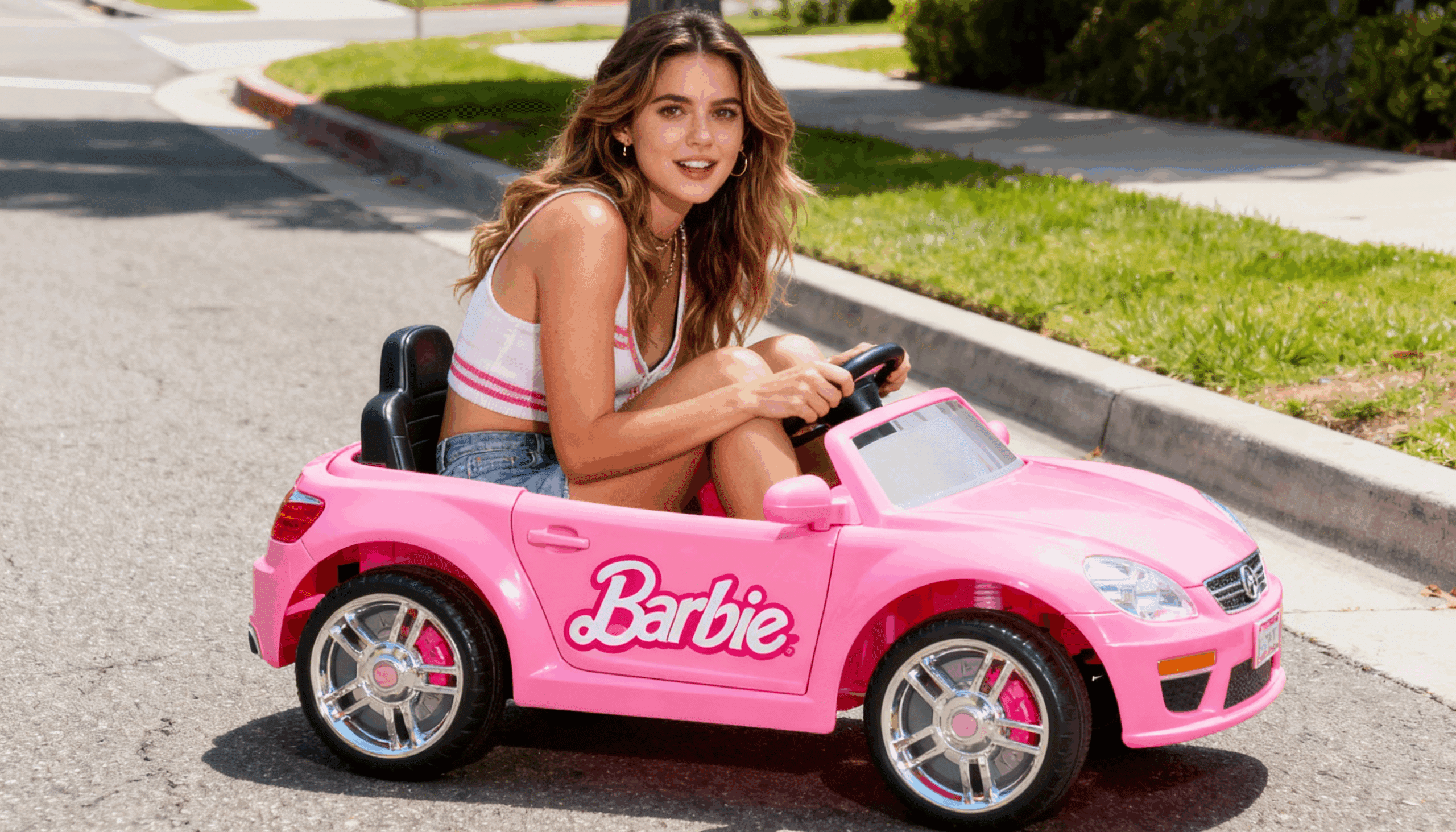
- The Barbie Car Defense: “This Isn’t a Real Vehicle”
- The “Someone Else Was Driving” Defense: Challenging Actual Physical Control
- The “I Only Had One Beer” Defense (With GERD or Diabetes Twist)
- The Faulty Video Evidence Defense: “The Recording Doesn’t Show What You Claim”
1. The Auto-Brewery Syndrome Defense: “My Body Makes Its Own Alcohol”
The Defense: Auto-brewery syndrome, medically known as gut fermentation syndrome, is a rare condition where excessive yeast in the digestive system converts carbohydrates into ethanol. Defendants claim their elevated blood alcohol content came from internal fermentation, not from drinking.
Real Case: In 2015, a New York woman was arrested after registering a breathalyzer reading of 0.40% BAC (note: This is 8 times the legal limit in Colorado). Despite this extraordinarily high reading, hospital staff noticed she showed minimal signs of intoxication.
Her lawyer investigated and discovered she suffered from auto-brewery syndrome. The woman’s husband reported she had only consumed four drinks over six hours, which would produce a BAC between 0.01 and 0.05%. Medical testing revealed her body was producing alcohol internally from ordinary food consumption.
After her defense team spent $7,000 on specialist testing to document the condition, the judge dismissed the DUI charge in December 2015. The district attorney initially planned to appeal but ultimately dropped the case.
Did It Work? Yes, but with significant limitations. The defense succeeded because the defendant obtained a professional medical diagnosis confirming the condition existed before the arrest. Additionally, if defendants admit to drinking alcohol before driving, as is common, the defense becomes nearly impossible to assert credibly.
The Takeaway: Auto-brewery syndrome represents a legitimate medical condition, but it’s extremely rare. Successful use requires comprehensive medical documentation, including controlled glucose challenge tests under clinical supervision. Most importantly, defendants cannot have admitted to consuming alcohol before driving.
2. The “It Sucks to Be Pretty” Defense: Stopped for being Hot.
The Defense: A defendant claimed that being attractive led to unfair targeting by police officers who wouldn’t have stopped a less attractive driver under the same circumstances.
Real Case: In St. Augustine, Florida, a woman was pulled over for driving 15 miles per hour over the speed limit. During the stop, she forgot that the officer had asked for her registration and license, claimed she’d only had two drinks, and provided inconsistent statements about why she was speeding. On the way to jail, she told officers, “It sucks to be pretty.”
The implication appeared to be that officers targeted her because of her appearance rather than legitimate probable cause for the DUI investigation.
Did It Work? No. The court found the statement irrelevant to whether the defendant was driving under the influence. Her actual impairment, which was demonstrated through field sobriety tests, breathalyzer results, and officer observations, provided clear grounds for the DUI charge regardless of physical appearance.
The Takeaway: Physical attractiveness is not a legally recognized defense to DUI charges. Officers may stop any driver who commits traffic violations or displays signs of impairment, regardless of appearance. This case highlights how some defendants make statements that actually damage their defense rather than help it.
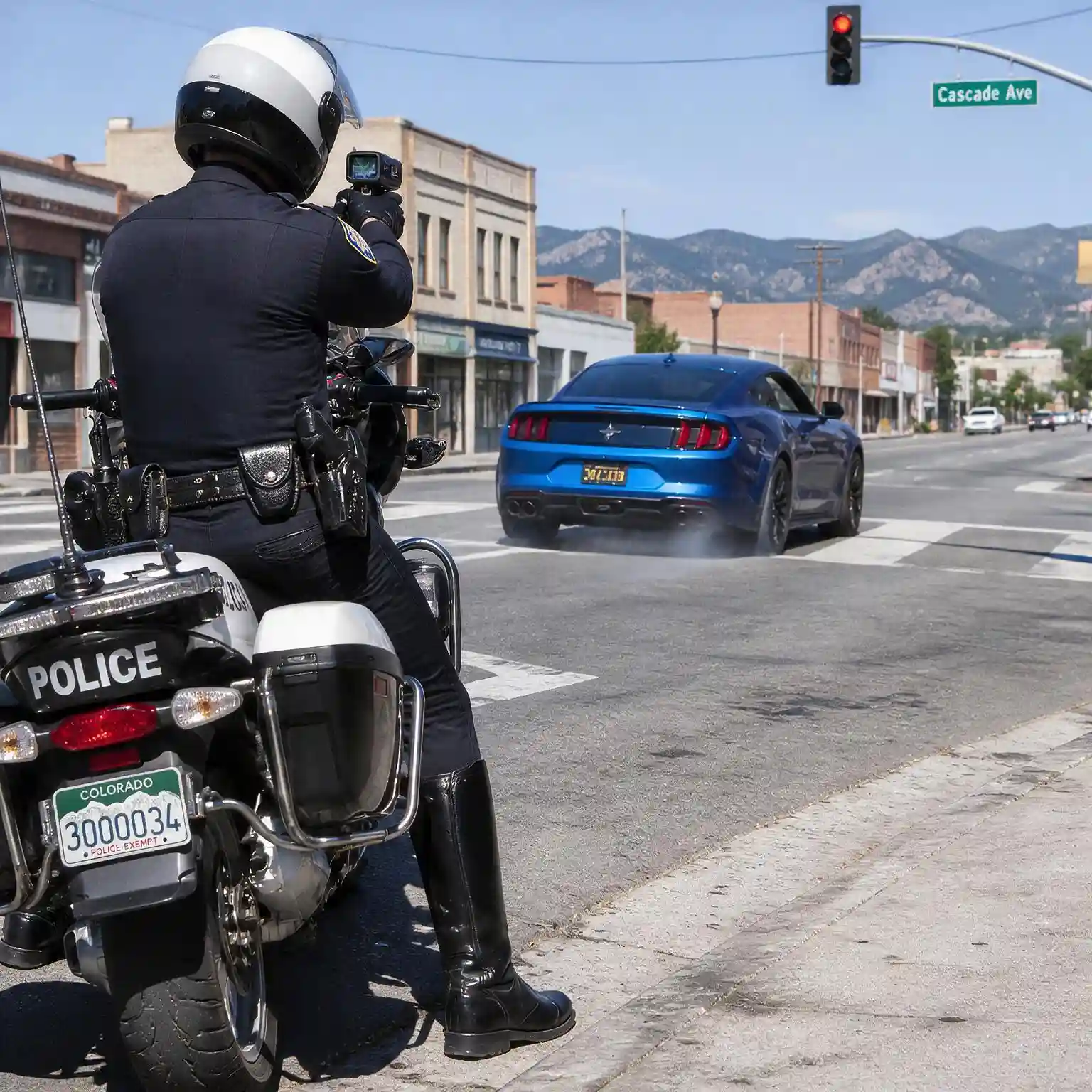
Remember, police have to have a valid legal reason to stop you. Driving while looking a certain way in the “wrong neighborhood” is a common complaint for improper stops. Undoubtedly, there are bad cops out there who would pull someone over for the way they look.
In court, law enforcement must establish that they had reasonable suspicion that a violation was occurring before they legally effectuate a traffic stop. No reasonable suspicion is a great defense for an illegal search and seizure.
3. The Rising Blood Alcohol Defense: “I Got Drunker After I Stopped Driving”
The Defense: Alcohol takes time to metabolize, typically 60 to 90 minutes from consumption to peak blood alcohol concentration. Defense lawyers argue that defendants’ BAC was below the legal limit while actually driving but rose above the limit during the time police conducted field sobriety tests and administered breathalyzer tests.
Real Case: This defense has been attempted in numerous jurisdictions with varying success. The theory holds that if someone drinks immediately before driving, their BAC could be rising during the traffic stop, meaning they were technically legal while operating the vehicle even though they later tested over the limit.
In Colorado, the statute allows for a BAC at the time of driving or within 2 hours of the time of driving, which is a way for a DA to effectively argue against this defense.
Did It Work? Sometimes. Courts acknowledge the scientific validity that BAC rises after alcohol consumption. However, prosecutors effectively counter this defense by arguing that even if BAC was lower while driving, the defendant likely would have continued driving with an elevated BAC had police not intervened.
The defense works best when defendants can prove they consumed alcohol immediately before driving (within 15-20 minutes) and that substantial time elapsed during the traffic stop before testing. Remember, in Colorado this is a tough defense with the way the statute is worded.
The Takeaway: This defense requires precise timeline documentation and expert toxicologist testimony. Success depends on demonstrating exactly when alcohol was consumed relative to when driving occurred and when tests were administered.
4. The Fever Defense: “High Body Temperature Inflated My Breathalyzer Results”
The Defense: Studies show that elevated body temperature directly correlates with higher BAC readings on breathalyzer devices. Defendants argue that fever caused artificially inflated results, making them appear more intoxicated than they actually were.
Real Case: Multiple defendants have argued that illness-related fever caused faulty breathalyzer readings. Additionally, the defense points out that fever symptoms: flushed face, red eyes, and haggard appearance. These symptoms mirror common indicators that lead officers to suspect DUI.
Did It Work? Mixed results. While scientific research supports the connection between body temperature and breathalyzer accuracy, defendants must present medical documentation of fever at the time of arrest.
The defense works best when combined with evidence that the defendant appeared impaired due to illness symptoms rather than alcohol consumption. However, prosecutors can counter by requesting blood tests, which are less susceptible to temperature variations than breath tests.
The Takeaway: This defense challenges the reliability of breathalyzer technology rather than denying alcohol consumption. It requires medical evidence and often expert witness testimony about breathalyzer mechanics.
The defense is stronger when prosecutors relied exclusively on breath tests without confirming results through blood analysis. The “I was sick defense” will work better in a refusal scenario. If the person refuses roadsides and chemical tests, it may be easier to argue that what appeared to be intoxication, was the effects of an illness.
5. The Sleepwalking/Ambien Defense: “I Was Unconscious”
The Defense: Defendants claim they were in an automatism state, that they were unconscious or semi-conscious, while driving due to sleepwalking or side effects from sleep medications like Ambien (zolpidem). They argue they lacked the voluntary control and criminal intent necessary for DUI conviction.
Real Case: Multiple defendants have attempted this defense, though more successfully in other criminal contexts than DUI cases. The most famous non-DUI case involved Kenneth Parks in Canada, who drove 14 miles to his in-laws’ home while sleepwalking and killed his mother-in-law. He was acquitted because experts testified he was genuinely unconscious during the act.
For DUI specifically, defendants have claimed that Ambien caused “sleep-driving” episodes where they operated vehicles without awareness. In People v. Mathson (2012), a California appeals court addressed this defense. The defendant argued Ambien caused an unconscious state, but the court ruled against him, classifying his condition as voluntary intoxication since he knowingly took the medication.
Did It Work? Rarely for DUI charges. Courts distinguish between voluntary and involuntary intoxication. Because defendants knowingly take Ambien (with warning labels advising against driving), courts typically classify resulting impairment as voluntary intoxication, which is not a valid DUI defense.
The defense might work for truly involuntary circumstances, such as being unknowingly drugged, but knowingly taking prescription medication doesn’t qualify.
The Takeaway: The Ambien defense faces significant legal hurdles because defendants voluntarily consumed the substance. Even if the medication caused unexpected side effects, the act of taking it knowingly undermines claims of involuntary intoxication. Additionally, repeat incidents destroy credibility. If you’ve sleep-driven before while on Ambien, you can’t claim ignorance of the risk.
I have had multiple Ambien cases where I legitimately believe my client took their prescription, went to bed, and then ended up driving their car into a ditch. It’s a very tough defense that may be better suited as a mitigating factor, than an affirmative defense, such as an involuntary intoxication.
Cases where a defendant has been drugged (GHB, “roofies”, etc) is a different defense, and would be a true involuntary intoxication.
6. The Tesla Autopilot Defense: “The Car Was Driving Itself”
The Defense: With autonomous vehicle technology advancing rapidly, some defendants have argued they weren’t “operating” or “driving” their vehicles because autopilot features were engaged. They claim that sitting in a self-driving car while intoxicated doesn’t constitute DUI since they weren’t actively controlling the vehicle.
Real Case: A California woman was charged with DUI after police found her behind the wheel of her Tesla with the autopilot feature engaged while she was visibly intoxicated. Her defense team argued that she wasn’t technically driving because the vehicle’s autonomous features were controlling acceleration, braking, and steering.
Did It Work? No. Courts determined that being behind the wheel of a vehicle—even with autonomous features engaged—still constitutes “operating” a motor vehicle under DUI statutes. Current Tesla autopilot technology requires driver supervision and the ability to take manual control at any moment.
Since the defendant maintained the ability to disengage autopilot and control the vehicle, courts ruled she was operating the vehicle for DUI purposes.
The Takeaway: As long as you’re in the driver’s seat of a vehicle capable of being manually controlled, you’re considered to be operating it under Colorado DUI laws (and most other locations, check your local laws). This area of law will likely evolve as fully autonomous vehicles without manual controls become available, but for now, autonomous features don’t exempt drivers from DUI liability.
In Colorado, we call this “actual physical control” of the vehicle. Blaming a crash on Elon Musk isn’t the strongest defense if you happen to be drunk or high behind the wheel. Some people may have valid complaints on autopilot accidents, but drunk driving is never a good idea, even if a computer is doing the steering.
7. The Barbie Car Defense: “This Isn’t a Real Vehicle”
The Defense: Defendants argue that unconventional vehicles, motorized toys, electric scooters, motorized coolers, don’t qualify as “motor vehicles” under DUI statutes, which were designed to address cars, trucks, and motorcycles.
Real Case: In the United Kingdom, a 40-year-old man received a DUI conviction for operating a modified pink Barbie electric car at 4 miles per hour while intoxicated. Despite the vehicle’s toy origins and extremely low speed, the court ruled it qualified as a motorized vehicle subject to DUI laws.
Due to a previous DUI offense within ten years, the defendant lost his driver’s license. This will come down to the laws of your state and what is considered a vehicle for drunk driving purposes.
In a separate Australian case, a 21-year-old man was charged with DUI for operating a motorized cooler with a BAC four times the legal limit. The incident gained viral attention on social media but resulted in serious legal consequences.
Did It Work? Not in these cases. Most jurisdictions broadly interpret “motor vehicle” to include any motorized conveyance operated on public roads or areas accessible to the public. Speed and vehicle classification don’t matter, if it’s motorized and you’re operating it while impaired in a public space, DUI laws likely apply.
The definition can extends to electric scooters, golf carts, riding lawnmowers, motorized wheelchairs, and yes, even modified Barbie cars. Check your local laws on what is considered a “vehicle” or “motor vehicle” and what will get you in trouble for drunk driving.
The Takeaway: In most jurisdictions, DUI laws apply to virtually all motorized vehicles, not just traditional automobiles. If you’re impaired, don’t assume that riding an unconventional vehicle keeps you safe from DUI prosecution. Many defendants have learned this lesson the hard/expensive way.
8. The “Someone Else Was Driving” Defense: Challenging Actual Physical Control
The Defense: DUI statutes often prohibit being in “actual physical control” of a vehicle while impaired, not just actively driving. Defendants found passed out in parked vehicles argue they never actually drove anywhere and weren’t in control of the vehicle.
Real Case: This defense strategy appears in countless DUI cases nationwide. A common scenario involves someone sleeping in their parked car with the keys nearby or in the ignition (but the engine off). Police arrive, find them intoxicated in the driver’s seat, and charge them with DUI based on “actual physical control” rather than actual observed driving.
The success of this defense depends heavily on specific facts: Where were the keys? Was the engine running? Was the person in the driver’s seat or passenger seat? Was the vehicle legally parked or blocking traffic?
Did It Work? Sometimes. Courts look at multiple factors to determine actual physical control: location of keys, whether the engine was running, where the person was sitting, whether the vehicle could be readily driven, and the person’s explanation for being in the vehicle.
Defendants who wisely put keys in the trunk, sat in the back seat, and parked in a safe location have better chances of avoiding conviction than those found in the driver’s seat with keys in the ignition.
The Takeaway: If you’re too intoxicated to drive, the safest approach is calling a rideshare service or taxi. If you must sleep in your vehicle, remove yourself from the driver’s seat, put keys out of reach (like the trunk), and park legally in a safe location.
Even these precautions don’t guarantee avoiding charges, but they significantly strengthen your defense. Every case is different and is based on the totality of the circumstances.
If you park your car in the middle of Academy Blvd and hop in the back seat, it may be a tough sell on how the car got there. This would be need to closer to an “alien abduction” defense (I’m joking, but I’ve actually seen even weirder).
9. The “I Only Had One Beer” Defense (With GERD or Diabetes Twist)
The Defense: Defendants claim impossibly low alcohol consumption that couldn’t possibly produce their measured BAC, but the investigation reveals underlying medical conditions explain the difference.
Real Case: Building on the auto-brewery syndrome cases discussed earlier, defendants have successfully argued that conditions like gastroesophageal reflux disease (GERD), diabetes, and certain medications can cause false breathalyzer readings. Someone with diabetes may have high acetone levels in their breath, which breathalyzer devices cannot distinguish from ethanol, potentially causing false positive results.
Did It Work? Sometimes. Medical defenses challenging breathalyzer accuracy have succeeded when defendants present compelling medical evidence. GERD can cause “mouth alcohol” by bringing stomach contents (containing alcohol) into the mouth and throat, inflating breathalyzer readings.
Diabetes-related acetone can trigger false positives. However, these defenses require expert testimony and medical documentation. Defendants can’t simply claim medical conditions without proof.
The Takeaway: Breathalyzer devices, while widely used, have known limitations. Medical conditions can affect results, but proving this requires immediate medical documentation, expert witness testimony, and often demonstrating that police should have administered blood tests rather than relying solely on breath tests.
10. The Faulty Video Evidence Defense: “The Recording Doesn’t Show What You Claim”
The Defense: Some states require law enforcement to video record all traffic stops and field sobriety tests. When officers fail to properly record these interactions, or when video contradicts their testimony, defense lawyers argue for case dismissal based on incomplete evidence.
Real Case: In South Carolina and other states with mandatory video recording requirements, numerous DUI cases have been dismissed because officers failed to properly film the encounter. In some instances, video evidence directly contradicted officers’ written reports or testimony about defendants’ level of impairment or behavior during field sobriety tests.
Defense attorneys have successfully argued that without proper video documentation, courts cannot verify the accuracy of officer observations, creating reasonable doubt about whether defendants were actually impaired.
Did It Work? Yes, in jurisdictions with mandatory recording requirements. When officers fail to follow evidence preservation requirements, courts may exclude improperly documented evidence or dismiss charges entirely. Even in states without mandatory recording, defense lawyers use missing video evidence to create reasonable doubt. If police cruisers have cameras but footage is mysteriously unavailable, juries may question the prosecution’s case.
The Takeaway: Video evidence cuts both ways. While it often incriminates defendants, it also protects against false or exaggerated charges. If the video shows you performed field sobriety tests better than the officer’s report suggests, or if your demeanor appeared less impaired than described, this evidence can significantly strengthen your defense.
What These Crazy Defenses Teach Us About DUI Law
These unusual defense strategies reveal several important truths about DUI prosecution and defense:
1. Medical Conditions Matter
Legitimate medical conditions can affect breathalyzer results, create symptoms that mimic intoxication, or even produce alcohol internally. However, defendants must provide credible medical documentation, courts won’t accept unsubstantiated claims.
2. Scientific Evidence Can Be Challenged
Breathalyzer devices, while generally reliable, have limitations. Temperature, medical conditions, environmental factors, and improper calibration can all affect results. Experienced DUI defense lawyers know how to challenge this evidence effectively.
3. Intent and Voluntariness Are Critical
Many defenses hinge on whether defendants acted voluntarily and with criminal intent. Truly involuntary intoxication (being drugged without knowledge) can provide a defense, but knowingly consuming substances, even prescription medications, typically won’t.
4. Vehicle Definition Is Broad
Don’t assume that operating an unconventional motorized vehicle while impaired avoids DUI liability. In most jurisdictions, DUI Laws apply to virtually anything motorized, from Teslas to Barbie cars.
5. Documentation Is Everything
Whether it’s medical records proving auto-brewery syndrome or video footage contradicting officer testimony, documentation can make or break DUI defenses. Always seek medical attention if you have health concerns that might explain test results.
As with all criminal matters, speak to a licensed attorney in your area about DUI laws in your state. What may be true in Colorado may not hold true in Kansas. Legal defenses are case and law-specific.
The Bottom Line: Creative Doesn’t Mean Effective
While these bizarre DUI defenses make interesting reading, most criminal defense lawyers rely on more conventional and more consistently successful strategies:
- Challenging the legality of the traffic stop
- Questioning breathalyzer calibration and administration
- Demonstrating improper field sobriety test procedures
- Proving violations of constitutional rights during arrest
- Negotiating plea agreements to reduced charges
If you’re facing DUI charges, the most important step is hiring an experienced DUI defense lawyer who understands both conventional and unconventional defense strategies.
While you probably don’t have auto-brewery syndrome or weren’t driving a Barbie car, your case likely has weaknesses that a skilled lawyer can identify and exploit.
Facing DUI Charges in Colorado Springs? Get Experienced Legal Representation
At McDowell Law Firm, we’ve seen just about every DUI defense strategy imaginable. While we appreciate creative legal thinking, we focus on proven defense tactics that actually work in Colorado courts.
Attorney Josh McDowell’s experience as a former prosecutor gives him unique insight into how the state builds DUI cases, and how to defend them.
Whether your case involves:
- Breathalyzer challenges
- Field sobriety test accuracy
- Traffic stop legality
- Constitutional rights violations
- Medical conditions affecting test results
- Rising blood alcohol defenses
We have the knowledge, experience, and local courtroom relationships to fight effectively for your rights.
Remember: just because a defense sounds crazy doesn’t mean your case is hopeless. Even the most serious DUI charges can be challenged effectively with the right lawyer and the right strategy.
While these cases demonstrate creative legal strategies, they are not legal advice. Every DUI case is unique and requires individualized analysis by a qualified attorney. If you’re facing DUI charges in Colorado, contact an experienced DUI defense lawyer immediately to discuss your specific situation.